
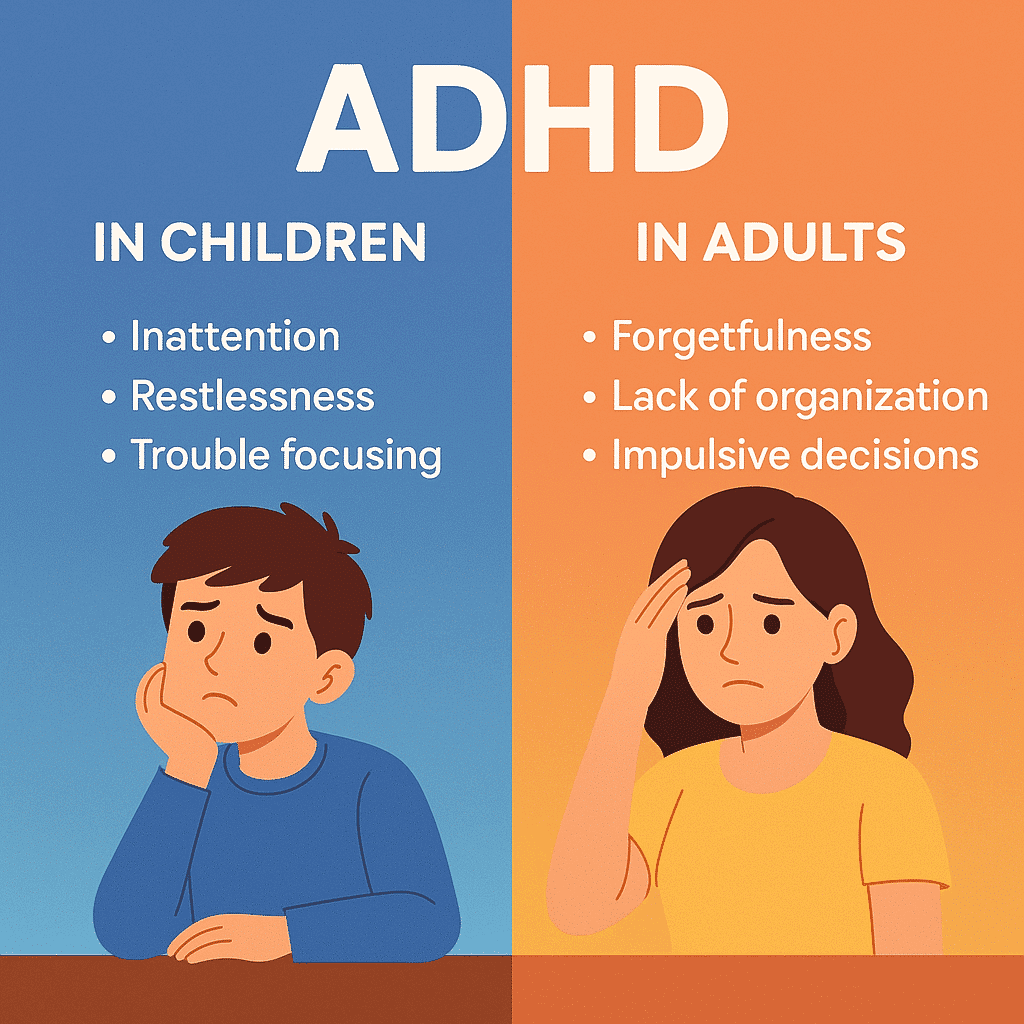
Attention-Deficit/Hyperactivity Disorder (ADHD) is often associated with hyperactivity, impulsivity, and difficulty focusing. However, one of the most overlooked yet critical aspects of ADHD is its emotional dimension. Many children with ADHD struggle not just with attention, but with understanding, processing, and regulating their emotions.
What Is Emotional Dysregulation in ADHD?
Emotional dysregulation refers to difficulty managing emotional responses in a way that is appropriate for a situation. Research shows that this is not a minor side effect of ADHD—it is often a central feature. Children with ADHD tend to experience emotions more intensely and may have trouble calming down once upset.
This means a small frustration—like losing a game or being corrected by a teacher—can trigger a strong reaction such as crying, anger, or withdrawal.
Why ADHD Affects Emotions
The emotional challenges in ADHD are rooted in brain development. The areas responsible for executive function and emotional control—such as the prefrontal cortex—develop more slowly in children with ADHD. This leads to difficulties in self-regulation, impulse control, and emotional processing.
Additionally, studies suggest that children with ADHD often experience higher emotional reactivity, meaning their emotional responses are faster and more intense than their peers. Recent findings even highlight a subtype of ADHD strongly linked to emotional dysregulation, where children may experience prolonged meltdowns and extreme emotional responses.
How Emotional Challenges Show Up
The emotional side of ADHD can appear in different ways:
- Frequent mood swings
- Low frustration tolerance
- Difficulty handling criticism
- Sudden anger or emotional outbursts
- Feelings of rejection or sensitivity
These emotional struggles can affect relationships, academic performance, and self-esteem.
The Impact on Daily Life
Emotional dysregulation doesn’t just affect behavior—it impacts nearly every part of a child’s life. Children with ADHD often face difficulties in school, at home, and in social settings due to their emotional responses. Research shows that these emotional challenges are linked to impairments in peer relationships, family interactions, and academic outcomes.
Because of repeated negative feedback, children may begin to see themselves as “troublemakers” or “failures,” which can further affect their mental health.
Supporting Emotional Development
Helping children manage their emotions requires patience, understanding, and consistent support. Some effective strategies include:
- Teaching emotional awareness: Help children label and understand their feelings
- Modeling calm behavior: Children learn by observing how adults handle emotions
- Using structured routines: Predictability reduces emotional overwhelm
- Practicing coping skills: Deep breathing, breaks, or quiet time
The Role of Professional Support
Professional support can make a significant difference in helping children manage emotional challenges. Clinics like Seed Medical HK offer specialized services such as behavioral therapy, emotional regulation training, and parent guidance programs.
These services are designed to address both the cognitive and emotional aspects of ADHD, ensuring a more holistic approach to development.
Conclusion
Understanding the emotional side of ADHD is essential for supporting children effectively. Emotional struggles are not signs of bad behavior—they are part of how ADHD affects the brain. With the right guidance, structure, and professional support, children can learn to manage their emotions and build resilience for the future.