
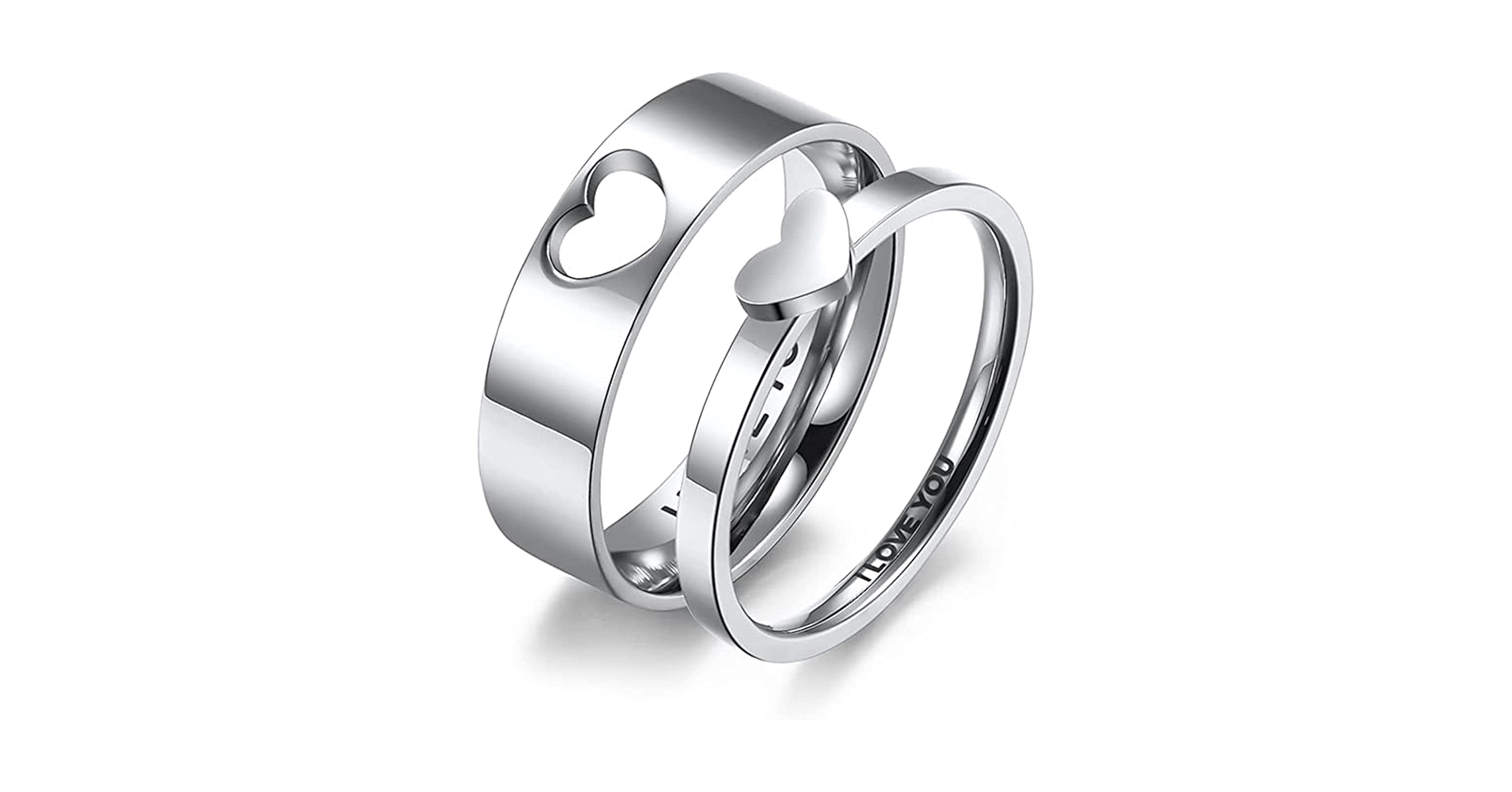
In my 15 years advising both consumer brands and lifestyle companies, I’ve seen families wrestle with a fascinating decision: do you spend big on a symbol of love, like a wedding ring, or invest in something more practical, like quality furniture? The truth is, Americans today are split right down the middle. The answer often reflects not just financial priorities but also long-term values about love, commitment, and stability. Let’s unpack this in detail.
The Emotional Pull of Rings for Love
There’s no denying that rings carry immense emotional weight. A ring isn’t just jewelry—it’s a symbol. I’ve seen couples spend weeks debating carats, metals, and designs because they know this piece signals permanence. Once, while consulting a retail jewelry chain, I learned that nearly 40% of customers felt guilty if they didn’t “stretch” their budget on a ring. The demand for Men Wedding Rings alone has skyrocketed in the past decade, reflecting men’s desire for equality in this tradition. The pull of love and legacy often outweighs cold logic.
The Practicality of Furniture for Life
Furniture, unlike rings, is something you live with every day. I once worked with a client who regretted splurging on an oversized engagement ring, only to move into a home with cracked chairs and mismatched tables. The reality is, durable furniture translates into daily comfort, better hosting experiences, and long-term savings. Look at the rise of Outdoor Patio Furniture: people now approach their backyard as a social extension of their homes. From a utility standpoint, that’s money better spent than any stone.
Americans Balancing Symbolism and Utility
Here’s what I’ve seen: younger generations lean more pragmatic, while older generations often view rings as sacrosanct. In 2018, the trend was “go big on diamonds.” But today? Many couples split budgets halfway: modest rings paired with upgraded furniture. The lesson? Americans don’t always choose one or the other; they blend love’s symbolism with life’s practicality.
Short-Term Glamour vs. Long-Term Comfort
The trick is understanding the trade-offs. A ring shines instantly, creating powerful moments of pride and romance. Furniture delivers slower but longer-lasting benefits. I recall advising a couple that financed a $10,000 engagement ring. Within two years, they admitted they’d rather have invested in a dining setup for family gatherings. The glamour felt fleeting compared to the missed comfort. Realistically, what matters more: a sparkling moment or sustained daily well-being?
Financial Trade-Offs That Matter
Look, the bottom line is every dollar has opportunity costs. In financial terms, a mid-range dining set can offer 10–15 years of use, while a ring offers little measurable ROI beyond emotional value. I’ve seen families reallocate ring budgets into home essentials, freeing up cash flow for travel, investments, or even down payments. The trade-offs aren’t just about objects—they shape family wealth trajectories.
Generational Shifts in Priorities
Millennials and Gen Zs are re-writing this playbook. They ask tougher questions: “Why pour $8,000 into a gemstone we don’t need when we could upgrade our living room?” On the flip side, Baby Boomers tend to anchor identity in legacy jewelry. Understanding these generational nuances helps businesses market effectively: one promotes forever-love symbolism, the other sells lifestyle utility.
The Role of Lifestyle Marketing
What’s really shifted is how brands frame the conversation. Jewelry brands push narratives of eternal love, while furniture companies emphasize health, hosting, and longevity. I’ve even seen hybrid marketing campaigns—one brand positioned chairs as “rings of family life.” It worked because the emotional hooks were familiar. Ultimately, selling either product depends on telling the right story.
Choosing Based on Life Stage
In practice, the smarter approach is situational. Newlyweds often prioritize rings. Growing families pivot toward sturdy furniture. Empty nesters may revalue rings as heirloom investments. I’ve advised clients to map budgets to life stages: if your nights are spent building a household, furniture delivers more daily returns. If you’re sealing commitment, the ring wins in symbolism.
Conclusion
Americans choose between rings for love and furniture for life based not just on money, but on values, life stage, and identity. The key lesson I’ve learned is this: the smartest decision is rarely “either/or.” It’s deciding how much emotional investment you want in a symbol, and how much practical investment you need in comfort. Businesses that recognize these nuances win more loyal customers, while families that balance both choices live with fewer regrets.
FAQs
Why do Americans prioritize rings for love?
Because rings symbolize permanence, love, and commitment, many Americans view them as an emotional investment worth stretching budgets for.
Why is furniture considered a life investment?
Furniture impacts daily living comfort, family gatherings, and long-term savings, making it a more practical purchase over time.
Do younger generations prefer furniture over rings?
Yes, younger buyers often lean toward practicality, prioritizing home essentials and lifestyle upgrades instead of large luxury rings.
Is it smarter financially to buy furniture before rings?
It depends on life stage and values, but from a financial standpoint, furniture offers longer utility and returns compared to jewelry.
How should couples balance rings and furniture spending?
A balanced approach works best: modest rings paired with quality furniture ensures both symbolic love and practical comfort are served.