
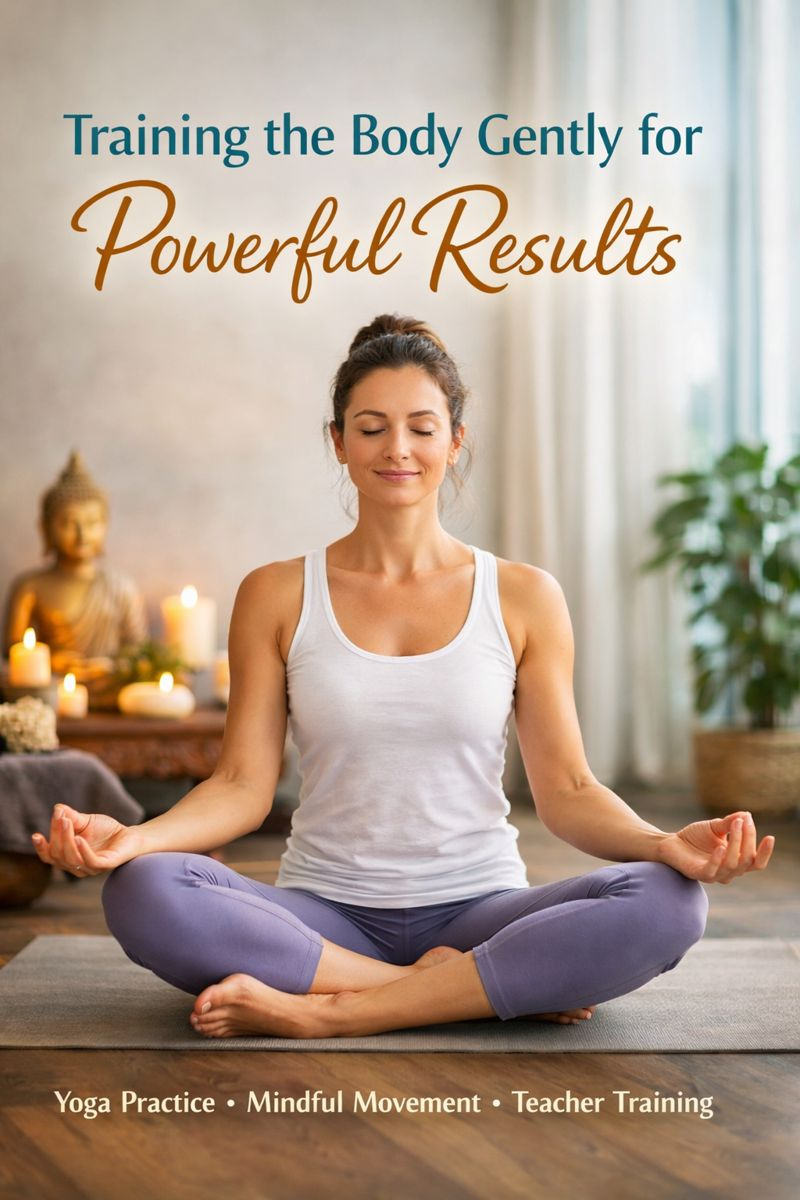
Intensity gets confused for effectiveness in today’s fitness culture. But an ancient movement system like yoga serves as a reminder that true strength is forged with awareness, balance and consistency. Authentic yoga and gentle teaching This is a philosophy that is at the heart of traditional yoga; you get this choice when you attend an authentic yoga teacher training in Australia because we have discovered how important gentle teaching can be to physical and mental health, long term.
Gentle (Body) Training is not about staying away from the effort -rather, it’s about moving and breathing intentionally while respecting anatomical limitations, naturally aligning bodies to move in a certain way.
Soft Yoga: The Basics of a Softer Practice
Soft training emphasizes slow, self-aware movements, good stance and controlled breathing. These are the fundamental principles of classical yoga and these aspects are taught in 200 hour yoga teacher training in India and advanced certification courses.
Yoga-based training evolves, rather than imposes:
· Functional strength
· Joint stability
· Flexibility and mobility
· Mind–body awareness
Traditions like Hatha Yoga, Yin Yoga, Restorative Yoga and slow Vinyasa show us how gentle sequencing can be the pathway to a powerful physical experience when maintained over time.
Why Yoga Teacher Training Emphasizes Soft Strength
The contemporary fitness world emphasises speed and repetition but yoga follows its own kind of logic. When you train to become a yoga teacher training in India, one thing that most teachers are taught is how alignment and lifting through the length of your body activates deep stabilizing muscles. These muscles are important in supporting posture, spinal health and preventing injury — such topics that you study in yoga anatomy/physiology sessions.
Gentle training also improves:
· Core stability
· Balance and coordination
· Breath control (pranayama)
· Nervous system regulation
It’s why so many wellness pros will tell you to see if yoga isn’t a healing culture of movement.
The Science of Mindful Movement
Scientific research is beginning to prove what yogic traditions have expounded for centuries: moving slowly and with intention can help increase muscle endurance while decreasing stress-related fatigue. Calm yoga routines reduce cortisol, improve activity of the parasympathetic nervous system and help to maintain hormonal balance.
These benefits are why So many yoga teacher training classes online now include modules on trauma-informed yoga, restorative practices and mindful movement techniques—rejuvenating being applicable in both traditional and contemporary teaching forms.
Hearing the Body: A Key Teaching of Yoga
Not hearing the body is one of the most valuable lessons in yoga. Gentle practice teaches them to notice rather than resist sensations. It is necessary for safe teaching, and highly inculcated in any Yoga Teacher Certification one might take.
By respecting one’s own limitations, yoga teachers can lead people of all ages and abilities—from beginners to seniors or even the injured.
Longevity, Not Burnout
High-intensity exercise might give you faster results, but it can also lead quickly to burnout or chronic injury. Yoga provides a counterapproach to the emphasis on growth and expansion. Most of the old school yoga teacher training in India programs emphasize yogic lifestyle, which is more beneficial for a healthy life, rather than just a fit body.
Both true to yoga’s weight-concious, centering principles and gentle on the joints with their cast of toners (legs/arms/chest/tush!) Slow and Steady makes the practice approachable everyday, over many years as it adapts to your body.
Consistency Creates Powerful Results
The point isn’t to simply push harder, but practice smarter. Easy training brings about the reliability that movement is fun and flexible. Over time, practitioners experience:
· Improved flexibility and strength
· Better posture and breath awareness
· Reduced stress and mental fatigue
This is one of the reasons why would-be-teachers consider and opt for 200 hour yoga teacher training as a beginning point of their personal development and also in terms of professional development.
Final Thoughts
Working the body lightly is a microcosm of yoga’s greater knowledge. It informs us that knowledge is power, patience breeds progress and consistency is might. Whether you’re exploring yoga to deepen your own practice, or if becoming a yoga teacher and expanding the joy of yoga in others through guided practices are your future goals, teaching the gentle way is effective, sustainable and transformational.