
Refrigerators are widely used in homes and commercial settings. Their primary utility is to keep perishable items safe. Food, medicine, and beverages need the right temperature to stay fresh, and these units consistently provide it.
Industrial refrigeration is different from what we do in homes. It is used to store items on a large scale, so it requires more maintenance and infrastructure.
In today’s article, we’ll discuss in detail how these systems work and which safety standards to follow to keep them running smoothly.
Types of Commercial Refrigeration Systems
To manage energy costs and meet their unique needs, companies typically use various types of commercial refrigeration systems. The type also depends on how much space you have and which product you’re going to put in.
Reach-in refrigerators are a standard type found in most grocery stores. They are used to cool simple products such as milk, fruit, and sodas.
We then have walk-in coolers (also called freezers). These are large rooms that are used to freeze bulk items. Warehouse refrigeration is used for large-scale storage of frozen food or pharmaceuticals.
What to consider before getting this system installed?
It’s important to plan carefully to get the long-term value from these systems. You can start by checking how much storage you need. Check the volume and types of items, and how often they are accessed.
In addition, check whether the space has proper electrical connections and good ventilation. The floor should also be able to handle the weight of equipment.
When buying, look for models with energy-efficiency features. This way, you’ll lower your utility bills and also reduce your business’s impact on the environment.
Safety Practices to Follow During Installation
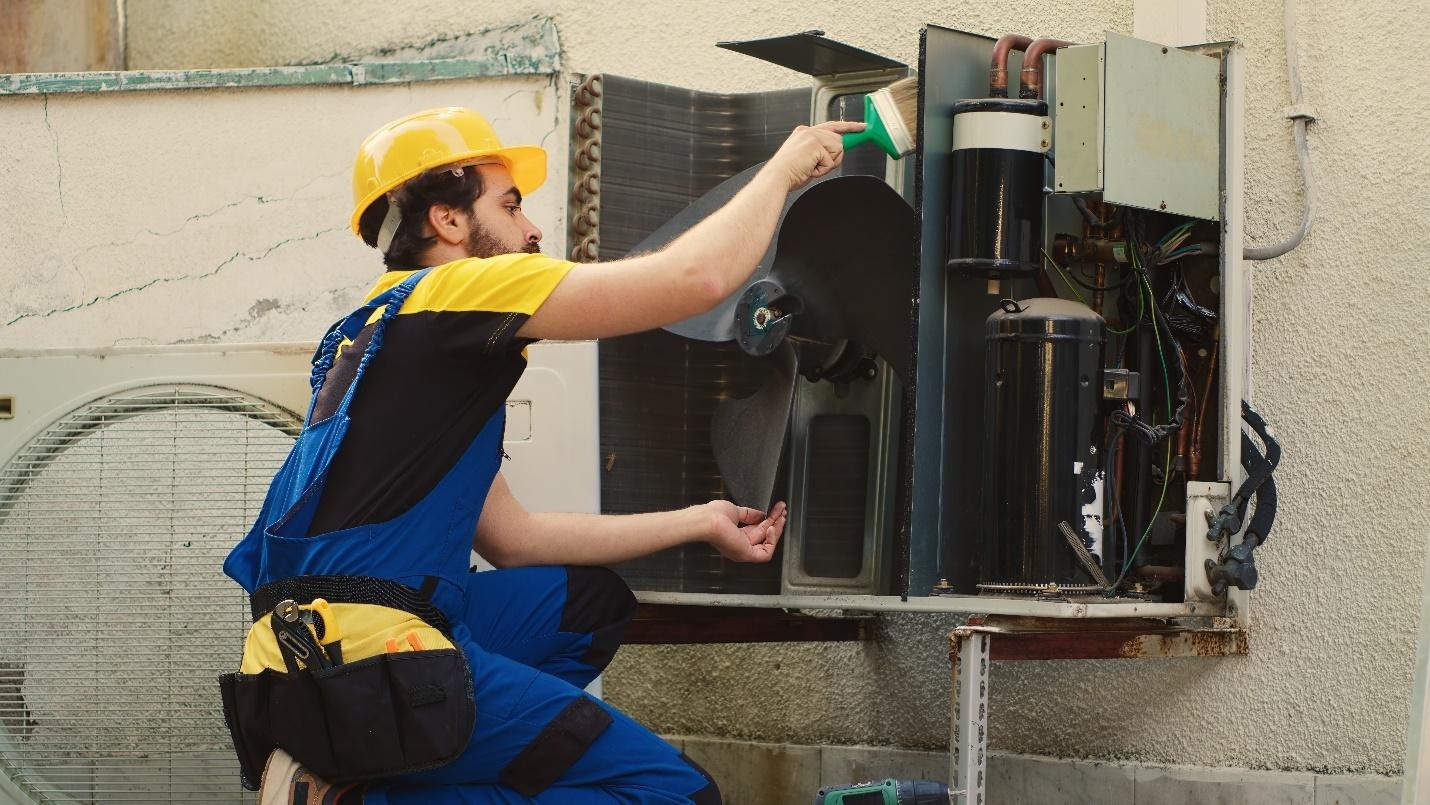
It’s important to follow safety standards to protect your workers and equipment during installation. Experienced technicians always wear personal protective equipment (PPE) to prevent injuries from electrical shock or sharp equipment edges.
Similarly, the refrigerator units must be installed at the same level. This will prevent vibrations or movements that could create safety hazards. Electricians must also verify circuit protection to ensure proper voltage is being supplied.
After everything is installed, the technicians also run pressure checks to ensure there are no leaks.
The Average Lifespan of Refrigeration Systems
Commercial units typically last for 10-15 years, depending upon how you’ve used them. Regular maintenance also increases their lifespan. Some units can even last for 20 years if you give them enough care.
Overloading, dirty coils, and missed maintenance checks usually shorten their lifespan. For example, if your store has too many items, the system will have to work harder. Similarly, the condenser coils collect dust and debris. This debris blocks heat transfer and puts extra pressure on the compressor. And if you miss maintenance checks, you could even turn a simple problem into a major one.
Bottom Lines
Planning to get this system installed for your business? Make sure you have a strong idea of your space dynamics. Also, check how you’re going to use the unit. Getting something too small or too large will do more harm than good.