
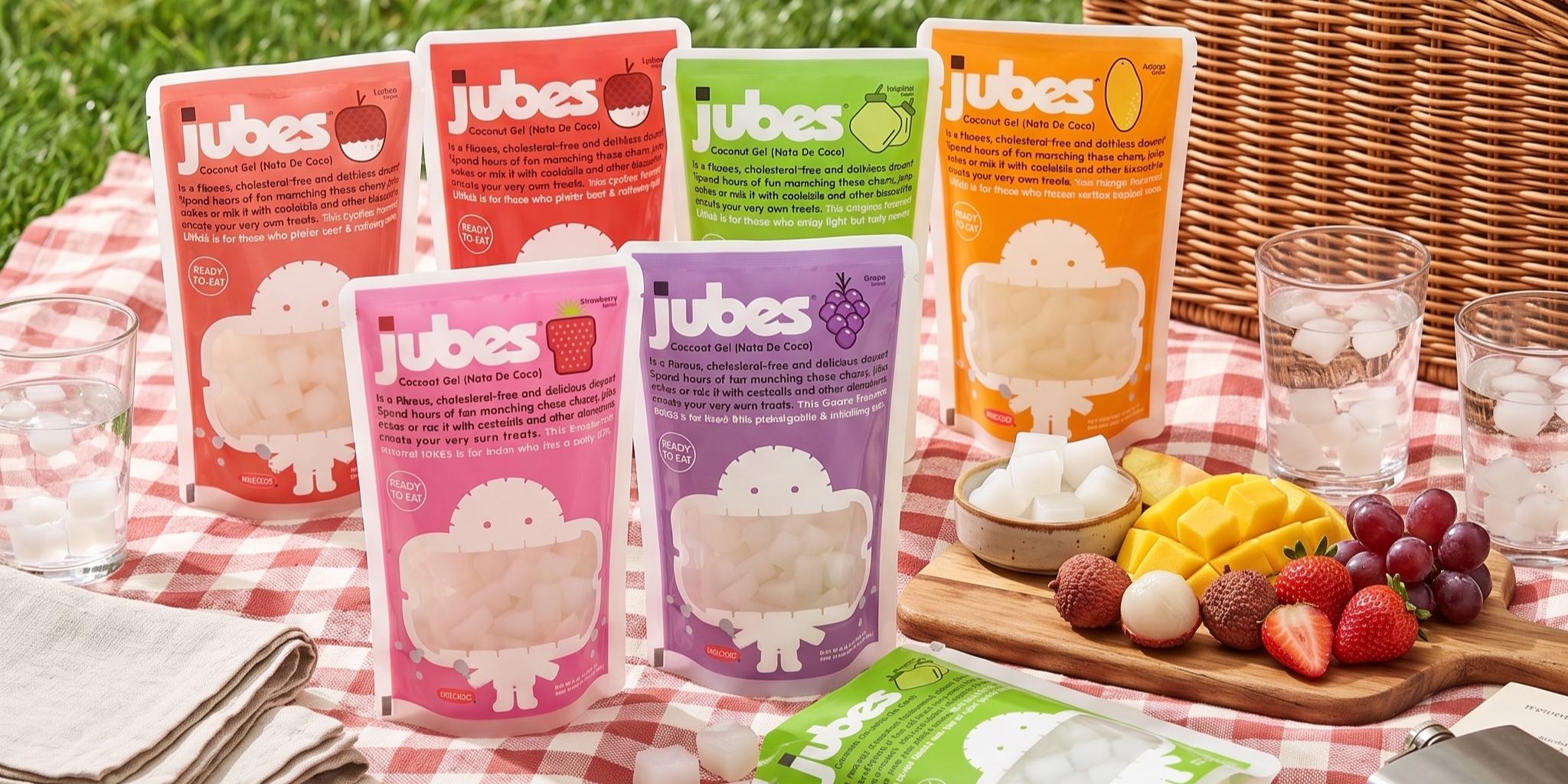
Imagine someone sliding a little bowl across the table toward you and saying, “Just try one.” You pick up a spoon, scoop a translucent cube, and the moment it hits your tongue, something clicks. It bounces. It squeaks. It bursts with a cool, lightly sweet, faintly tangy flavor unlike anything in your usual dessert rotation. That is the nata de coco moment, and once it happens, there is no going back. If you are ready to have that moment, nata jelly from Jubes USA is exactly where your adventure starts.
What Is Nata De Coco and Where Does It Come From?
The Origins of Coconut Jelly Cubes in Southeast Asia
Nata de coco was born in the Philippines in the 1970s and quickly spread across Southeast Asia, becoming a beloved ingredient in desserts, drinks, and snacks from Indonesia to Thailand. The name roughly translates to “cream of coconut,” though the finished product is closer to a firm, translucent gel than anything creamy. It became a staple in Filipino halo-halo, Indonesian es campur, and countless other regional treats before making its way to kitchens and bubble tea shops around the world.
How Nata De Coco Is Made From Fermented Coconut Water
The magic starts with coconut water. When the right bacterial culture is introduced to fresh coconut water and the mixture is left to ferment, a thick cellulose layer forms on the surface. That layer is harvested, cut into small cubes, rinsed, and sweetened. The result is a naturally chewy coconut gel with a satisfying bounce that no gummy candy or gelatin dessert can replicate. There are no artificial shortcuts in this process. The texture you love is pure fermentation at work.
Why Nata De Coco Is Loved Across the World
People across the globe keep coming back to coconut gel cubes because they are genuinely fun to eat. They add texture to everything they touch, they hold their shape without melting, and they absorb flavors beautifully. That combination of playfulness and versatility is rare in the food world, and it is exactly why these little juicy cubes have fans from Manila to Miami.
Texture, Flavor, and Sensory Experience of Nata Jelly
What Does Nata De Coco Feel Like to Eat?
Think of something between a firm grape and a bouncy eraser, but delicious. Coconut jelly cubes have a firm outer resistance that gives way to a soft, slightly chewy interior. They do not dissolve like gelatin, and they do not stick to your teeth like gummies. They spring back. They pop. Food lovers who obsess over texture find nata de coco almost impossible to stop eating once they start.
What Does Coco Jelly Taste Like?
On its own, coco jelly has a mild, clean sweetness with a faint tangy note from the fermentation process. Jubes takes that base and lifts it with fruit-forward flavors. The lychee flavor is floral and refreshing. The mango flavor is bright and tropical. The strawberry variety is lightly berry-sweet, and the grape flavor carries a fun, familiar fruitiness. The original flavor keeps things classic and works beautifully as a versatile topping.
How Juicy Cubes of Coconut Gel Compare to Sago, Lychee Jelly, and Popping Boba
Many dessert lovers already know sago, the small chewy pearls made from starch. A sago recipe typically features these pearls in coconut milk or syrup, and they are wonderful. But coconut cubes offer more surface area, more bounce, and a distinctly different bite. Lychee jelly and popping boba are also popular toppings, but nata de coco sits in its own category: firm yet tender, neutral yet flavorful, simple yet endlessly versatile.
How to Use Coconut Gel Cubes in Everyday Recipes
Classic and Creative Nata De Coco Recipe Ideas
A good recipe for nata de coco does not need to be complicated. Stir a cup of coconut jelly cubes into chilled coconut milk with a little honey and crushed ice. Done. That is dessert. You can also fold them into fruit salads, layer them into parfaits, or use them as a colorful garnish on a platter. The ready-to-eat format means there is zero prep required.
Mango Coco Jelly, Lychee Coconut Jelly, and Other US-Friendly Desserts
Mango coco jelly is one of the most crowd-pleasing combinations you can make. Simply layer fresh or frozen mango chunks with Jubes mango-flavored coconut gel cubes, a drizzle of condensed milk, and crushed ice. The result is a dessert that looks stunning and tastes even better. Lychee coconut jelly follows the same logic: combine lychee fruit or lychee syrup with Jubes lychee cubes and a splash of coconut water for a dessert that feels like a tropical vacation. These are the kinds of best dessert recipes that disappear fast at parties.
Nata De Coco as a Topping for Bubble Tea, Smoothie Bowls, and More
Drop a scoop of jelly cubes into your next bubble tea order and watch the whole drink level up. Jubes coconut cubes are a natural fit for smoothie bowls, shaved ice, yogurt parfaits, and even sparkling water for a fun, zero-effort mocktail vibe. Because they are ready to eat straight from the package, they work as a snack on their own too.
Is Nata De Coco Vegan, Gluten-Free, and Good for Everyone?
What Are Jubes and Why Are They a Great Choice?
Jubes are premium coconut gel cubes made by Jubes USA, crafted from fermented coconut water with fruit-forward flavors and a signature bouncy texture. They are fat-free, cholesterol-free, and high in dietary fiber. They contain no artificial colors and are certified under the Quality Management System SNI ISO 9001:2015, HACCP, and the Halal Assurance System. Jubes also carry a US Trademark registration, making them a verified and trusted brand in the American market.
Who Is Nata De Coco For? Texture Lovers, Dessert Fans, and Curious Foodies
Nata de coco is naturally vegan and gluten-free, making these coconut cubes a fantastic option for a wide range of eaters. Whether you avoid animal products, follow a gluten-free lifestyle, or simply love discovering something new and delicious, Jubes fits right in. Kids love the texture. Adults love the flavor. Everyone loves that there is no cooking required.
Jubes USA Certifications and Quality You Can Trust
| Certification | Details |
|---|---|
| Quality Management System | SNI ISO 9001:2015 Certified |
| Food Safety | HACCP Certified |
| Halal | Halal Assurance System Certified |
| Trademark | US Trademark Registered |
| Additives | No artificial colors, no preservatives listed on label |
| Nutritional Profile | Fat-free, 0% cholesterol, high in fiber |
Where to Buy Jubes Coconut Jelly Cubes in the US
Where to Buy Jubes Online and In Stores
Wondering where to buy Jubes? You have options. Shop directly through the Jubes USA website, find them on Amazon, or browse their TikTok Shop for deals and bundles. In-store, look for Jubes at El Super locations and select Asian markets across the US.
Jubes Flavors, Pricing, and Pack Options
| Flavor | Single Unit | Pack of 3 | Pack of 6 | Pack of 24 |
|---|---|---|---|---|
| Original | $7.88 | $14.88 | $19.88 | $53.98 |
| Mango | $7.88 | $14.88 | $19.88 | $53.98 |
| Lychee | $7.88 | $14.88 | $19.88 | $53.98 |
| Strawberry | $7.88 | $14.88 | $19.88 | $53.98 |
| Grape | $7.88 | $14.88 | $19.88 | $53.98 |
Tips for Finding High-Quality Coconut Cubes Near You
Always check for certifications on the label, look for a brand with clear ingredient transparency, and choose a product with real fruit flavor rather than artificial substitutes. For retailers, food service operators, or anyone looking to stock Jubes in bulk, Indonesian Food Distributor Jans Food USA is a trusted wholesale and distribution partner serving the US market with authentic Southeast Asian products.
Frequently Asked Questions
What is nata de coco and what does it taste like for someone trying it for the first time?
Nata de coco is a coconut gel made from fermented coconut water, cut into small cubes with a firm, bouncy texture. For first-timers, the flavor is a gentle surprise: mildly sweet, faintly tangy, and refreshing. Jubes versions come in lychee, mango, strawberry, grape, and original, so each flavor adds its own fruity personality to that clean coconut base.
Is nata de coco vegan and gluten-free, and is it safe for people with dietary restrictions?
Yes. Nata de coco is made from coconut water and carries no animal-derived ingredients, making it vegan-friendly. It is also naturally gluten-free. Jubes products are Halal Assurance System certified and contain no artificial colors, making them a great fit for a wide range of dietary preferences.
How do you use coconut jelly cubes in recipes like mango coco jelly or lychee coconut jelly desserts?
Coconut jelly cubes are incredibly easy to use because they are ready to eat straight from the package. For mango coco jelly, combine Jubes mango cubes with fresh mango, condensed milk, and ice. For lychee coconut jelly, mix Jubes lychee cubes with lychee fruit and coconut water. Both make stunning, crowd-pleasing desserts with minimal effort.
Where can retailers, food distributors, and wholesale buyers source Jubes nata de coco in bulk for their stores or menus?
Retailers and food distributors interested in stocking Jubes products can connect through Jans Food USA, a trusted Indonesian food distributor serving the US wholesale and retail market. They supply authentic Southeast Asian food brands including Jubes to Asian markets, grocery chains, and food service operators.
What makes Jubes coconut gel cubes different from other jelly cubes or sago toppings available in the US market?
Jubes stands apart through its combination of certified quality, real fruit flavors, and that signature bouncy texture that sago pearls and standard jelly cubes simply cannot match. With HACCP and ISO 9001:2015 certifications, a US trademark, and five distinct flavors, Jubes brings a level of variety and reliability that makes them a standout choice among coconut cubes on the US market.