
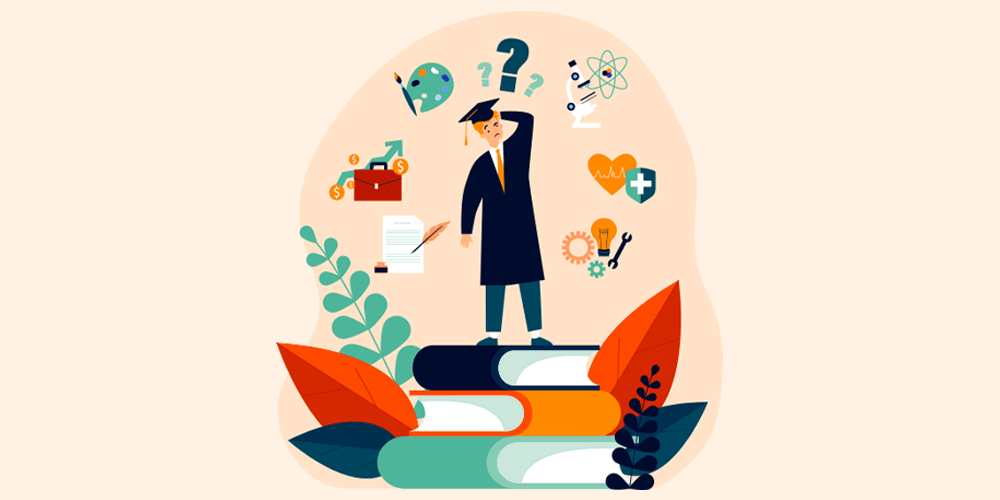
The world economy is evolving faster than traditional ways of teaching can keep up with. Changes in how work is done across industries are being caused by automation, digital transformation, and changing company needs. In this setting, learning based on skills has become one of the most crucial factors for getting a job, coming up with new ideas, and long-term economic growth. Skill-based learning focuses on real-world skills that can be used right away, rather than just theoretical information or academic credentials.
The Shift From Degrees To Skills
For many years, degrees and other official qualifications were thought to be the best ways to tell if someone was competent. Employers today are more interested in what people can do than in how much school they have. It’s sometimes more important to have skills like problem solving, communication, data analysis, design thinking, and technological ability than to have a degree or a name on a certificate.
Industries such as technology, healthcare, construction, media, and creative industries today need people who can change swiftly. A graduate who knows the theory but can’t do things in real life may have a hard time finding work these days. Skill-based learning fills this gap by getting students ready to address real-world needs from the start.
Meeting The Needs Of A Dynamic Job Market
The employment market today is very changeable. Roles change quickly, and new jobs are created every year. Skill-based learning gives people skills that they can use in many different jobs, even when their job title changes. Instead of learning how to do one job, students learn abilities that can be used in many different jobs or industries.
Digital literacy is now necessary in many areas, such as real estate, marketing, and education. Professionals who work on residential projects like Be Apartments are using digital technologies more and more for marketing, getting in touch with customers, and keeping projects on track. People who know how to use technology in a practical way are better able to help in these kinds of situations.
Supporting Business Innovation And Productivity
Talented staffs are essential for corporate innovation and achievement. Companies require employees who can think critically, identify problems quickly and implement solutions swiftly. Skill-based learning allows employees to try something different while working collaboratively and thinking outside the box; all leading to new ideas.
Digital businesses like TeamUp Digital rely a lot on individuals who have both technical and creative abilities that are up to date. You learn how to evaluate data, run campaigns, and change your tactics in real time by doing things instead of just reading about them. Companies that spend money on training their employees are better able to adapt to changes in the market and what customers want.
Reducing The Skills Gap
The widening skills gap is one of the biggest problems the economy is facing right now. Even when there are a lot of people looking for work, many businesses say it’s hard to locate people with the proper skills. This mismatch slows down the economy and makes more people lose their jobs.
Skill-based learning solves this problem directly by making sure that education meets the needs of businesses. Training programs made with businesses make sure that students learn useful and in-demand skills. The creative sectors are a great example of this connection. ArtsAblaze platforms and programs focus on real-world creative abilities that help artists and designers make money from their work and address market needs.
Promoting Lifelong Learning
Lifelong learning has never been more important. As technology changes, skills that are useful now may not be useful in the future. Skill-based learning encourages students to keep improving by continually updating and adding to their skills.
Republic World and other media platforms often talk about how industries are changing and how workers need to change with them. People may stay competitive and strong by staying up to date and working on their talents. People who are always learning are better able to deal with changes in their jobs and the economy.
Building An Inclusive Economy
Learning based on skills also helps people get jobs. For a lot of people, traditional routes of getting an education can be too expensive and hard to access. There are other ways to get a job and do well in your profession outside traditional college degrees. These include skill-focused programs, online courses, and vocational training.
Skill-based learning gives people from different backgrounds a chance to succeed by putting more value on their skills than on their backgrounds. This open-minded approach makes the economy stronger by using a larger range of skills and points of view.
Final Thoughts
Today’s economy demands that learners prioritize skills-based education. Individuals, enterprises and communities all depend on it in order to stay competitive within an ever-evolving marketplace. Skill-based learning equips people for real world problems while building valuable talents; when sectors shift or opportunities appear people who prioritize developing useful talents are better poised to thrive and lead effectively – skill is truly the engine that moves things forward!